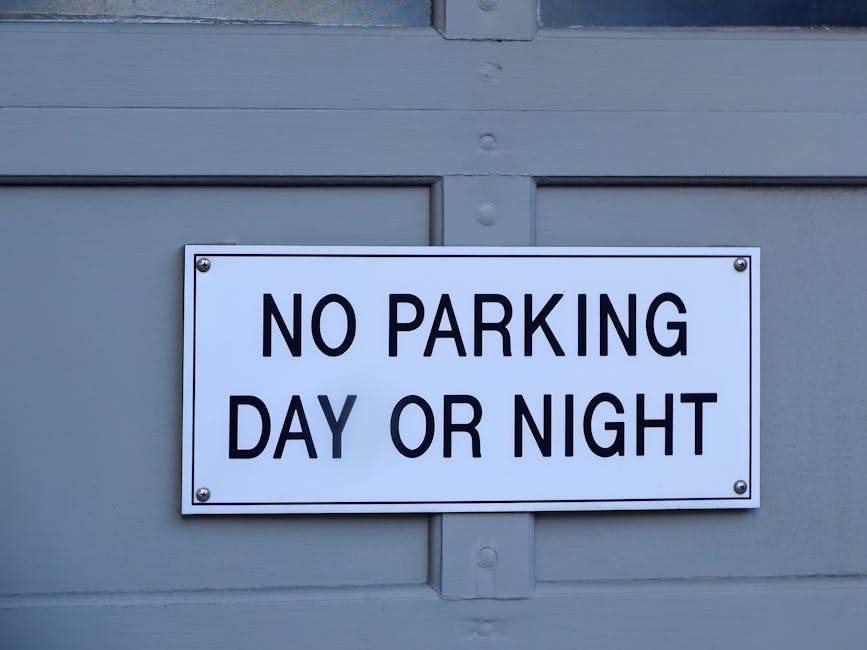
Parking suspensions, skips and fines in Pimlico: local rules

Pimlico looks calm on the surface, but if you are planning a move, a delivery, a skip hire, or even a simple furniture pick-up, parking can turn into the bit that causes the most stress. Parking suspensions, skips and fines in Pimlico: local rules matter because the streets are tight, the kerb space is precious, and a small mistake can quickly become a penalty, a delayed job, or a very awkward conversation with a neighbour. If you are trying to avoid disruption and keep things moving smoothly, this guide walks you through the practical side of the issue in plain English.
To be fair, most people do not think about parking until the van is already outside. Then the clock starts ticking. Do you need a suspension? Can you place a skip nearby? What happens if loading goes over time? And how do fines happen so easily in a place like Pimlico, where there is not much room to spare? Let's unpack it properly so you can plan with confidence instead of guessing.
Why Parking suspensions, skips and fines in Pimlico: local rules Matters
Pimlico is one of those London areas where street space feels negotiated rather than given. Residential roads, mansion blocks, mews-style access points, and busy daytime loading all create a situation where parking is not just about convenience. It is part of the whole move plan. If you get it wrong, the consequences can ripple through the day: delayed unloading, extra labour time, upset residents, and yes, fines.
For homeowners and tenants, the main issue is usually access. For businesses, it is continuity. For anyone hiring a skip, it is placement and permission. And for removal work, parking is often the difference between a job that feels organised and one that feels like a scramble. You can have the best packing plan in the world, but if the vehicle cannot stop where it needs to, everything becomes harder.
In our experience, the people who avoid trouble are usually not the ones with perfect luck. They are the ones who plan a bit earlier, ask a few sensible questions, and allow for the realities of a busy London street. That sounds simple, but it saves a lot of headaches.
Key takeaway: in Pimlico, parking planning is not an optional extra. It is part of the move itself, especially where suspensions, skip placement, and enforcement rules can affect timing from the first minute.
How Parking suspensions, skips and fines in Pimlico: local rules Works
At a practical level, a parking suspension is a temporary restriction on a parking bay or section of street. It is typically used when a vehicle, skip, scaffold, crane, or similar activity needs that space. A skip permit or skip-related approval is separate in principle, even if the exact process is managed through the same local authority system or by a licensed provider on your behalf. Fines, meanwhile, usually come from parking contraventions, such as stopping where you should not, overstaying a permitted time, or ignoring signs and restrictions.
The important thing is that these are related, but not identical, problems. A suspension deals with access to space. A skip arrangement deals with placing a container safely and lawfully. Fines are the enforcement outcome if the rules are not followed. People often mix them up, and that is where the trouble starts.
For example, say you are moving from a flat off a narrow Pimlico street. You may need a suspended bay so a van can load close to the entrance. If a skip is part of a clearance before or after the move, that may need separate planning because it cannot simply sit wherever there is room. And if a driver parks in a suspended bay without checking the sign, a penalty can be issued. Simple enough in theory. Less simple on a wet Tuesday morning with boxes everywhere.
It helps to think of the process in layers:
- Space layer: do you have a legal place for the van, skip, or loading activity?
- Timing layer: does the space need to be reserved for a certain window?
- Enforcement layer: what happens if the restriction is ignored or exceeds its terms?
When these three layers line up, the day usually runs more smoothly. When they do not, the whole job can feel oddly uphill.
Key Benefits and Practical Advantages
Putting the parking side in order has benefits that go beyond avoiding tickets. The obvious one is cost control, but there are quieter advantages too. You reduce stress, protect neighbours from disruption, and make the work safer for everyone involved. That last point matters more than people sometimes realise.
Here are the main practical gains:
- Faster loading and unloading: the vehicle can get closer to the property, which saves carrying time.
- Lower risk of fines: fewer mistakes around bay restrictions, time limits, or suspended spaces.
- Better coordination: removal teams, drivers, and property managers can work from the same plan.
- Less disruption for neighbours: good planning keeps access routes clearer and avoids arguments in the street.
- Safer handling: shorter carrying distances reduce the chances of damage or trips with heavy items.
There is also a less obvious benefit: confidence. People relax when they know the practical stuff is handled. You can tell. The pace changes. Boxes do not get dumped in the hallway. Drivers are not circling the block trying to find somewhere legal. The whole thing feels more professional.
If you are organising a domestic move, it is often worth pairing parking planning with a proper removal plan such as home moves or flat removals. For offices, the same logic applies, only the stakes are often bigger because staff access and business continuity are involved. In those situations, office removals and office relocation services are easier to manage when parking is sorted early.
Who This Is For and When It Makes Sense
This topic matters to a wider group than you might think. It is not just for removal companies or skip hire firms. If you are moving, decluttering, replacing furniture, or handling a business relocation in Pimlico, you are likely to run into parking questions at some stage.
It makes sense for:
- tenants moving in or out of flats and mansion blocks
- homeowners managing a property clearance
- landlords arranging end-of-tenancy work
- office managers coordinating removals
- contractors bringing in materials or taking waste away
- households using a van for bulky items or furniture collection
It also matters when you are dealing with awkward items. A piano, for example, is not something you want to carry too far down a street with people stepping around you. That is one reason services like piano removals are usually planned carefully, with parking and access considered first, not last.
Same-day jobs are another common trigger. If you have had to arrange something quickly, perhaps because a tenancy changeover moved earlier than expected or a delivery has been rescheduled, parking planning becomes even more important. A service like same-day removals can help with speed, but the street still has to work with you, not against you.
Truth be told, if you are thinking, "It is only a van for an hour, how hard can it be?", that is usually the moment to slow down and check the details.
Step-by-Step Guidance
If you want to reduce the risk of fines or access problems, a structured approach works best. You do not need to become an expert in parking law. You just need a decent sequence.
- Work out exactly what needs to happen. Is it a van loading bay, a skip, a full house move, or a mix of all three?
- Check the street conditions. Look at bay markings, access width, nearby restrictions, and whether residents already rely on that space heavily.
- Build your timing around the restriction, not the other way around. This is a big one. People often plan the move first and then try to force parking around it.
- Decide whether a parking suspension is needed. If a vehicle needs a clear, reserved space, assume it may be required and confirm rather than guessing.
- Plan skip placement carefully. Skips should not be treated like ordinary parked objects. They take up space, can block sightlines, and may need formal approval.
- Brief everyone involved. Drivers, neighbours, and anyone helping with the move should know what space is reserved, when, and for how long.
- Keep documents and confirmation handy. If someone questions the arrangement, you want evidence available immediately.
- Allow a buffer. A ten-minute delay in Pimlico can become a much bigger issue if the legal space disappears or another vehicle arrives.
A practical example: if a team is collecting furniture from a first-floor flat, and the road is busy by mid-morning, it is often smarter to schedule earlier access and reserve the right parking position for the key loading window. That can be far more effective than hoping to "grab a space" on arrival. Hope is not a parking strategy, sadly.
Expert Tips for Better Results
After enough moves, a few patterns become obvious. The smoothest days are rarely the most expensive ones; they are the most prepared ones. Here are some of the details that make a real difference.
- Check signage twice. Temporary signs and bay markings are easy to miss when you are focused on the front door and the boxes.
- Use smaller vehicles where access is tight. A man and van setup can be far easier in Pimlico than trying to squeeze in something oversized.
- Match the vehicle to the street. Sometimes a removal van is the sweet spot; sometimes you need something larger. It depends on the road, not just the load.
- Think about loading sequence. Put the most awkward items near the exit so they are not moved twice.
- Keep one person free to watch the street. During busy loading, having someone monitor access can stop a small issue becoming a big one.
- Confirm insurance and safety arrangements. Parking is only part of the picture; handling and transport matter too. It is worth looking at insurance and safety information before the day.
One slightly old-school but useful trick: take a couple of photos of the parked vehicle, the sign, and the bay before work starts. If a problem arises later, you have a clear record. Not glamorous, but very effective.
If your move involves boxes, wrappers, or dismantled items, good packing helps too. A route that is already tight does not become easier just because the sofa is wrapped in blankets. Services such as packing and boxes and packing and unpacking services can save time, reduce handling, and help the loading process feel more orderly.
Common Mistakes to Avoid
Most parking problems in Pimlico are preventable. The tricky bit is that they often happen because someone made one small assumption too many. Here are the common ones.
- Assuming normal parking rules apply all day. Temporary suspension signs or loading rules can override the usual routine.
- Leaving parking planning until the morning of the move. By then, options are limited and stress is high.
- Forgetting about skip placement requirements. A skip cannot be dropped just anywhere because there is a convenient gap.
- Using a vehicle that is too large for the street. Bigger is not always better in central London.
- Not briefing the person who will actually park the vehicle. The organiser may know the plan; the driver may not.
- Ignoring neighbours or residents who rely on the space. Even when everything is legal, poor communication can create avoidable tension.
- Letting loading overrun the time window. One extra hour can matter a lot if the suspension or bay use ends before you finish.
One real-world nuisance is the "we'll just be quick" approach. It sounds efficient. It usually is not. Once a sofa gets caught in a stairwell or a lift pauses for someone coming in, the schedule slips. Then the legal parking window suddenly becomes a pressure point. Funny how that happens.
Tools, Resources and Recommendations
You do not need a huge toolkit, but a few practical resources make this much easier. Start with a simple written plan. Nothing fancy. A page of notes often does the job better than ten text messages.
Useful things to have ready include:
- a floor plan or room list for the property
- the exact move window, including arrival and departure times
- the dimensions or volume of the items being moved
- photographs of the street and access point
- the vehicle size or type likely to be used
- details of any skip, disposal, or clearance needs
For bigger jobs, choosing the right removal support can make a very real difference. A general removal services package may suit a standard house move, while man with van or man with a van options can be better where the load is lighter and access is tricky. If there are larger items, a moving truck or removal truck hire arrangement may be more suitable, but only if the street can handle it.
For people who are sorting out unwanted furniture before or after a move, it can help to plan the parking around collection as well. Furniture removals and furniture pick-up services are much easier to coordinate when the loading space is clearly understood.
If you are dealing with storage in between addresses, parking still matters because items have to be moved out and in again. That is where storage can fit neatly into the plan, especially if your access dates do not line up perfectly.
Law, Compliance, Standards, or Best Practice
This is the bit where careful wording matters. Parking enforcement, suspension arrangements, and skip permissions are governed by local rules and the relevant authority's processes. Those can change, and the practical details depend on the street, the type of activity, and the timing of the request. So the safest approach is always to check the current local requirements before the job starts.
Best practice in Pimlico usually means:
- planning early rather than reacting on the day
- using clear, lawful parking or loading arrangements
- making sure any suspension or temporary restriction is visibly respected
- avoiding obstructions to pedestrians, emergency access, and neighbours
- keeping skip placement and waste handling tidy and controlled
There is also a duty of care angle here. Safe loading, clear walkways, and sensible vehicle placement reduce risk for workers and residents alike. That is particularly relevant in busy residential streets where people are moving around all the time. A small gap can feel harmless, until someone is wheeling a pram or carrying shopping through it.
If you are booking a professional moving team, it is sensible to ask how they handle parking awareness and access planning. A reputable operator should be able to talk through vehicle size, timing, loading sequence, and the practical realities of working in central London. You do not need perfect legal detail from them, but you should expect clear, cautious guidance.
Options, Methods, or Comparison Table
Here is a straightforward comparison of common approaches. The best option depends on the street, the amount of stuff, and how tightly the timing is controlled.
| Option | Best for | Strengths | Watch-outs |
|---|---|---|---|
| Parking suspension | Reserved access close to the property | Reduces loading distance; clearer control of space | Needs planning and may not suit last-minute jobs |
| Skip placement planning | Clearing bulky waste or renovation debris | Lets waste be removed in one go; convenient for larger clearances | Needs careful positioning and compliance with local rules |
| Small van access | Flats, tight streets, lighter moves | Easier to manoeuvre; often more flexible in narrow roads | May need extra trips if the load is large |
| Large removal truck | Full property moves or office relocations | Efficient for bigger volumes; fewer journeys | Can be harder to park and may need more careful access planning |
For many Pimlico jobs, the "best" option is actually a blend. A smaller vehicle can collect the bulk of the items, while parking is reserved only for the critical window. That combination often works better than trying to force one oversized solution into a tight street. Simple, really.
Case Study or Real-World Example
Imagine a two-bedroom flat move from a Pimlico terrace-style street on a Friday morning. The property has a narrow stairwell, there is another resident moving furniture nearby, and the road is already busy with deliveries. The original plan was to have a large vehicle park as close as possible, load everything in one go, and be finished by lunch.
On paper, that sounds fine. In real life, the road layout makes it awkward. The team checks the access, realises a smaller van will fit better, and adjusts the plan so the load can be moved in stages. Parking is arranged for the exact window needed, not a vague half-day guess. The packing is kept tight, the boxes are labelled clearly, and the heavy items go first.
The result? Fewer delays, no circling for a space, and no near-miss with a neighbour trying to squeeze past the van. Not a glamorous story, granted. But that is usually what success looks like: quiet, tidy, uneventful. And that is exactly what you want on move day.
If the same job had been attempted without proper parking planning, the crew could easily have lost time waiting for a space, shifting items twice, or dealing with a complaint from someone blocked in. One small change in setup, and the whole atmosphere changes.
Practical Checklist
Before the day, run through this list. It is not complicated, but it catches the most common problems.
- Confirm the move or collection date and time window
- Check whether a parking suspension or skip arrangement is needed
- Review bay markings, signs, and nearby access points
- Choose the right vehicle size for the street
- Brief everyone on where to park and how long the space is needed
- Prepare packing, labels, and item groupings in advance
- Keep photos or notes of the parking area if helpful
- Allow time for loading delays, stairs, lifts, or traffic
- Double-check insurance and safety considerations
- Have a backup plan if the street is unexpectedly blocked
Expert summary: In Pimlico, the safest approach is to treat parking as a core part of the move plan, not an afterthought. If you organise the space, the timing, and the vehicle together, you dramatically reduce the chance of fines and delays.
If you are still weighing up the right support, it can help to review the team behind the job and the way they work. Pages like about us, terms and conditions, and pricing and quotes can give you a better feel for how a provider handles expectations, costs, and practical arrangements.
Get a free quote today and see how much you can save.
Conclusion
Parking suspensions, skips and fines in Pimlico: local rules are really about one thing: keeping a busy move or clearance under control in a tight London environment. When parking is handled properly, everything else gets easier. The van arrives where it should. The skip does not become an obstacle. The crew can work without panic. And the day feels manageable, which is a pretty lovely thing when you are surrounded by boxes and tape.
So, if you are planning a move, a collection, or a clearance in Pimlico, give the parking side the attention it deserves. It is one of those small tasks that protects you from larger problems later on. Quiet preparation, in this case, does the heavy lifting.
And honestly, that is usually the difference between a stressful street-side scramble and a calm, well-run day.
Frequently Asked Questions
Do I always need a parking suspension for a move in Pimlico?
Not always. It depends on the road, the vehicle, the amount of loading space needed, and the local restrictions in place at the time. Smaller jobs may work with legal loading arrangements, while larger moves often benefit from a reserved space.
What happens if a vehicle parks in a suspended bay?
If a bay is officially suspended and the rules are not followed, a fine or other enforcement action may be issued. The details depend on the exact restriction and the local enforcement process, so it is safer to treat suspension signs seriously.
Are skips treated the same as parked vehicles?
No. A skip is a separate placement issue. It needs to be positioned safely and in line with the relevant local requirements. That means you should not assume a vacant space is automatically suitable just because it is empty.
Can I just use a normal loading bay for a furniture pick-up?
Sometimes, yes, if the bay rules and timing allow it. But if the load is large, the street is busy, or the pick-up involves bulky items, a more controlled parking arrangement may be the better choice.
How early should I arrange parking for a move?
As early as you can. Last-minute planning is where most problems start. Even a simple job can become difficult if the parking question is left too late.
What is the best vehicle size for Pimlico streets?
There is no single best size. Narrow streets often favour smaller or mid-sized vehicles, while larger removals may need a truck if the access and parking conditions support it. The street should guide the choice, not habit.
How do fines usually happen during a move?
They often happen because someone stops in the wrong place, stays too long, misses a restriction sign, or uses a suspended space without realising it. A move day can be busy, so clear planning and communication matter a lot.
Is parking planning relevant for office moves too?
Yes, very much so. Office moves can involve tighter schedules, more equipment, and more people affected by disruption. Parking mistakes can slow the whole relocation down.
Can I manage parking myself, or should I ask for help?
You can manage it yourself if the job is simple and you understand the street conditions. For anything more complex, especially in central London, it is often worth getting help from a team that understands access planning and local constraints.
What should I check before booking a skip in Pimlico?
Check placement, access, timing, and any local restrictions that may apply. Also think about how the skip will affect neighbours, delivery access, and pedestrian movement. A little forethought goes a long way.
Do packing choices affect parking problems?
Indirectly, yes. Better packing means faster loading, fewer trips, and less time spent with a vehicle in place. That can reduce the pressure on any reserved space and lower the risk of overrunning the time window.
What if my move runs over time?
That can create problems if the parking arrangement or suspension ends before the work is finished. Build in a buffer where possible, and try to keep the most time-sensitive items ready first. It is a small habit, but a useful one.
Where can I learn more about how the company handles safety and complaints?
You can review the relevant company pages such as health and safety policy, complaints procedure, and contact us for practical next steps and support.