If you are moving in Pimlico, the permit question can feel like one of those small admin tasks that suddenly turns into the thing holding everything up. Westminster Council moving permits for Pimlico explained should really mean one thing: helping you understand whether your move needs permission, how the process usually works, and how to avoid a parking headache on moving day. In a busy London area where space is tight and kerbside access can be awkward, getting this right matters more than most people expect.
This guide breaks it down in plain English. You will see why permits matter, who actually needs one, what to check before moving day, and how to plan around the realities of Pimlico's streets, building access, and council-controlled parking. No fluff. Just the useful bits, explained properly.
Why Westminster Council moving permits for Pimlico explained matters
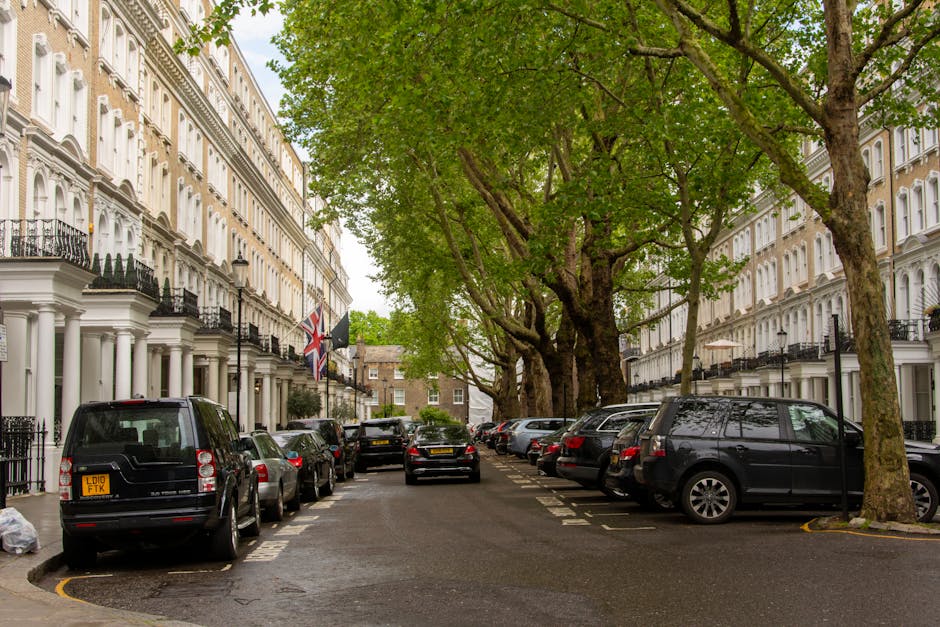
On paper, a moving permit sounds straightforward. In practice, it can be the difference between a calm move and a very long morning with nowhere legal to stop the van. Pimlico is a dense central London neighbourhood, and like much of Westminster, parking is heavily managed. That means a vehicle that looks fine for a quick stop may still need a permit, loading allowance, or some form of advance arrangement.
Why does this matter so much? Because removals are time-sensitive. People are waiting, furniture is being carried, lifts may be booked, neighbours may be trying to get past, and a driver cannot just circle the block endlessly hoping for a gap. If the parking plan is wrong, the whole chain slows down. You can end up paying for extra time, extra labour, or both. To be fair, nobody wants their move day to turn into a small traffic documentary.
There is also a wider practical point. Permit planning helps protect access for residents, reduce disruption on narrow streets, and keep your move safer for everyone involved. That is especially useful if you are moving from a flat, an upper-floor property, or a building with tight loading access. If your move involves stairs, fragile items, or several trips between the vehicle and the door, every minute spent searching for parking becomes a real inconvenience.
If you are organising a home move, a flat move, or even a small office shift in the area, it helps to think of parking permission as part of the move itself, not an optional extra. That mindset alone saves a lot of stress.
How Westminster Council moving permits for Pimlico explained works
The basic idea is simple: if your moving vehicle needs to park, stop, load, unload, or wait in a controlled bay or restricted street in Pimlico, you may need permission before the move takes place. Depending on the exact location, this might involve a parking suspension, a loading bay arrangement, or some form of temporary access planning. The specifics depend on the street, the time, the type of vehicle, and local restrictions.
Here is the part people often miss: the permit is usually about the parking or loading space, not just the move itself. A van can be perfectly suitable for a small move and still be in the wrong place at the wrong time if the road has restrictions. That is why moving companies familiar with central London tend to ask detailed questions early. They are not being nosy. They are trying to avoid a problem you only notice when the van is already outside.
In a typical move, you would identify the address, check the street restrictions, decide where the vehicle can safely and legally stop, and then arrange the necessary permission in good time. If the move is simple and access is straightforward, the process may be minimal. If the street is busy or tightly controlled, planning needs to be tighter. Much tighter, in some cases.
For a household move, the permit question often sits alongside other planning tasks such as packing, key collection, building access, and whether you need packing and boxes or additional help with loading. For larger projects, such as an office relocation, the parking plan becomes even more important because you may be handling more equipment, more people, and a stricter timetable. If that sounds like your situation, the team behind office removals or commercial moves should always be thinking about access as early as the inventory list.
Key benefits and practical advantages
Getting the permit side sorted gives you more than just peace of mind. It creates a cleaner, more workable moving day. Here are the main advantages.
- Less delay: The van can park closer to the property, which reduces walking time and wasted minutes.
- Lower risk of penalties: You avoid the unpleasant surprise of parking restrictions biting back at the worst possible moment.
- Smoother handling of heavy items: Sofas, wardrobes, fridges, and pianos are much easier to move when the vehicle is positioned well.
- Better crew efficiency: The removal team can focus on the move instead of searching for a legal stopping point.
- Less neighbour friction: A tidy, planned move usually causes less disruption around the street or block.
There is also a less obvious benefit: a better permit plan helps you choose the right vehicle size. Sometimes people think a smaller van is always safer in central London. Not necessarily. If a small van means many more trips, that can actually be more time-consuming and disruptive. In some cases, a single well-planned vehicle, properly positioned, works better than a "tiny van and hope for the best" approach. That's not a technical term, by the way. Just the reality of the job.
If you are comparing transport options, pages like man and van, removal van, and moving truck can help you think about what suits the scale of your move. The best choice is not always the biggest or the cheapest. It is the one that fits the access conditions and the volume of belongings.
Who this is for and when it makes sense
Not every move in Pimlico will need the same level of parking planning. But certain situations almost always deserve close attention.
Home movers in flats or apartments
If you live in a mansion block, a purpose-built flat, or any property with limited frontage, permit planning is often important. Tight streets, shared entrances, and lift bookings can make the timing of the van critical. If you are moving out of a flat, the wider logistics often line up best with flat removals or, for larger family homes elsewhere in the district, house removals.
People moving on a strict schedule
If you have to vacate by lunchtime, hand over keys at a fixed hour, or fit around a completion deadline, there is not much room for parking surprises. In that scenario, even a small delay can ripple through the rest of the day.
Businesses relocating in or out of Pimlico
Office and retail moves can be especially sensitive because staff time, client access, and building management rules all come into play. This is where a clear parking plan becomes part of the business continuity plan, whether you are arranging office relocation services or a more straightforward office move.
Anyone using a larger vehicle
The bigger the vehicle, the more carefully access needs checking. That does not automatically mean a larger truck is wrong. It just means the margin for error gets smaller. A good move is one where the transport fits the street, not one where the street has to bend around the transport.
Truth be told, if you are unsure whether your move needs a permit, that is usually a sign to check early rather than late. Late is expensive. Early is boring. Boring is good here.
Step-by-step guidance
If you want the practical version, here it is. Keep it simple and follow the sequence.
- Confirm the exact moving address. Small details matter. The difference between one side of a street and the other can change the parking rules.
- Check the property access. Look at whether the entrance is street-facing, on a narrow mews-style road, behind a gate, or reached by a shared courtyard.
- Identify the vehicle type. A van, luton-style removal vehicle, or larger truck may have different parking implications.
- Assess loading time realistically. A two-person flat move is not the same as moving a full family home. Neither is it the same as a small office job.
- Book permit-related arrangements early. Do not leave it until the day before. Central London moving logistics rarely reward procrastination.
- Share access details with your mover. Let them know about narrow turns, double yellow lines, lift access, concierge rules, or any time restrictions.
- Prepare for contingencies. If the kerbside spot is taken, what is plan B? This question alone prevents a lot of dithering.
- Keep documents and timings handy. Moving day tends to move quickly once it starts. You do not want to be searching through emails while someone is waiting by the lift.
A practical move often feels calm because someone did the thinking beforehand. That is usually the whole trick.
If packing is still underway, combining the permit plan with packing and unpacking services can reduce the number of loose ends. And if you are between properties or managing a gap in dates, storage can take pressure off the move schedule too.
Expert tips for better results
After enough moves, a few patterns become obvious.
- Measure access before you book the vehicle. A van that is technically available may still be awkward for the street.
- Allow more time than you think. Loading and unloading nearly always takes longer than people imagine. Nearly always.
- Match the vehicle to the job, not to habit. People often order what they used last time, even when the property, furniture, or route is different now.
- Keep bulky items near the exit. If the permit or loading slot is time-limited, every metre matters.
- Protect delicate pieces early. Piano legs, mirrors, glass shelves, and antique furniture need more care than a quick wrap in the back of the cupboard.
One small but useful habit: take a few photos of the front of the property and the nearest parking area the day before. You will not regret it when someone asks, "Can the van actually fit there?" It is a simple check, but it can save awkwardness later.
For higher-value or fragile items, it can also be worth reviewing insurance and safety before the move. It is not glamorous reading, admittedly. But it is the sort of detail that becomes comforting if anything unexpected happens.
Common mistakes to avoid
Most moving-day problems are not dramatic. They are just small oversights that pile up. Here are the ones that cause the most trouble.
- Assuming all London streets work the same way. They do not. Even neighbouring roads can have different restrictions.
- Leaving permit planning until the last minute. This is the big one. The traffic gods rarely reward last-minute optimism.
- Choosing a vehicle without checking loading access. A longer vehicle can be harder to position safely if the road is narrow.
- Forgetting building rules. Some blocks have concierge windows, lift reservations, or loading instructions that matter just as much as council rules.
- Not telling the mover about obstructions. Low branches, bollards, tight turns, and roadworks can all change the plan.
- Underestimating the volume of belongings. A move that starts as "just a few boxes" has a habit of becoming a sofa, two wardrobes, and a plant you forgot about.
Another mistake is treating parking permission as separate from the rest of the move. In reality, it sits right in the middle of the whole operation. If the parking is wrong, everything else becomes harder. Simple as that.
Tools, resources and recommendations
You do not need a complicated toolkit, but a few practical resources make a real difference.
- Floor plans or room lists: Helpful for estimating how much needs moving and what vehicle size makes sense.
- Photographs of access points: Useful for checking doorway width, stairs, lifts, and parking proximity.
- A labelled box system: It sounds basic, but it speeds up unloading and reduces confusion at the new address.
- Move-day contact list: Keep the mover, building manager, and key contact in one place.
- A written timetable: Even a rough one helps everyone stay on the same page.
If you are comparing service levels, the broader pages on removal services, removal companies, and removals can help you think about the support you actually need. Sometimes the right answer is a full-service team. Sometimes it is a smaller man with a van setup. It depends on the job, not the label.
And yes, if you are comparing quotes, pricing transparency matters. A sensible next step is to look at pricing and quotes alongside the access details, so you can compare like with like rather than comparing apples with a very fancy orange.
Law, compliance, standards, or best practice
Moving in Pimlico sits within a broader framework of local parking controls, building rules, and everyday transport compliance. You do not need to become a parking-law specialist, but you do need to respect the basic principle: if an area is controlled, you should assume permission or planning is needed before you stop a commercial vehicle there.
Best practice usually means checking the address in advance, understanding whether the vehicle will be loading or waiting, and making sure the mover knows any restrictions before arrival. Commercial vehicles are often treated more strictly than private cars, especially where kerbside space is limited. That is standard in central London. Not exciting, but very real.
There is also a practical duty of care angle. A move should be organised in a way that reduces risk to the crew, the property, and passers-by. Good planning around parking, lifting, and access helps with that. If you want a sense of how a professional outfit handles the operational side, take a look at the company's health and safety policy and terms and conditions. Those pages are not about permits directly, but they do show how the business thinks about responsibility and process.
For environmentally minded moves, it can also help to consider recycling and sustainability, especially if you are decluttering or disposing of unwanted furniture before the move. That reduces waste and keeps the actual moving day a bit lighter too.
Options, methods, or comparison table
Different moving situations need different approaches. Here is a simple comparison to help you decide what fits best.
| Approach | Best for | Strengths | Watch-outs |
|---|---|---|---|
| Small van with tight planning | Light moves, a few boxes, quick access | Flexible, easier to position, often efficient | May need more trips if there is a lot to move |
| Standard removal van | Typical flat or house moves | Balanced capacity and practicality | Still needs careful kerbside planning in restricted streets |
| Larger moving truck | Bulkier household or business moves | Can reduce the number of runs | Harder to park and manoeuvre in central London |
| Full removal team | Complex moves, stairs, heavy furniture, time pressure | More hands, less stress, better coordination | Needs early booking and clear access information |
The right option is usually the one that keeps the move efficient without creating an access problem. For a lot of Pimlico moves, that means balancing vehicle size with the realities of the street rather than chasing the biggest capacity available.
Case study or real-world example
Here is a realistic example, based on the sort of move people often face in Pimlico.
A couple moving from a top-floor flat near a busy Westminster street assumed their landlord's loading area would be enough. On paper, it sounded fine. In practice, the bay was shared, the lift had a short booking window, and the van would have needed to wait in a restricted spot. The result? A lot of anxious back-and-forth over the morning coffee stage.
Once they reworked the plan, the move became much more manageable. They chose a vehicle size that matched the volume of belongings, staggered the packing so the heaviest items were ready first, and confirmed access details with the moving team in advance. The actual move still had the usual human chaos - a misplaced kettle, one box labelled "misc", because of course - but the parking side stopped being the problem.
That is the real value of permit planning. It does not make moving delightful. Let's not get carried away. It simply removes one of the avoidable stress points so the rest of the day can run properly.
Practical checklist
Use this checklist a few days before the move. It is short, but it catches the important bits.
- Confirm the full move address and postcode.
- Check whether the property is a flat, house, or office.
- Identify any parking restrictions near the entrance.
- Ask whether a loading bay, suspension, or other permission is needed.
- Tell the mover about narrow streets, gates, lifts, or stairs.
- Decide which vehicle size is actually appropriate.
- Pack and label boxes clearly so unloading is faster.
- Keep fragile or high-value items separated and protected.
- Prepare keys, entry codes, and building contact details.
- Have a fallback plan if the ideal parking space is unavailable.
Expert summary: the smoothest Pimlico moves are usually the ones where parking, access, packing, and timing are planned together, not one after another at the last minute. Simple, but it works.
If you want help matching the moving setup to your property type, you can also explore home moves, house removalists, furniture removals, and piano removals depending on what you need to shift. Different loads, different pressures. Same principle: plan the access properly.
Get a free quote today and see how much you can save.
Conclusion
Westminster Council moving permits for Pimlico explained really comes down to preparation. If your move involves a controlled street, restricted parking, or tight access, the permit question is not a side issue. It is central to whether the day feels organised or chaotic. The good news is that once you understand the basics, the process is much easier to manage.
Keep the address details accurate, think about vehicle size early, and treat parking as part of the move plan rather than a separate chore. That one shift in approach can save time, reduce stress, and make the whole experience feel far more manageable. And honestly, that is what most people want: not perfection, just a move that gets done properly and without unnecessary drama. One steady step at a time.
Frequently Asked Questions
Do I always need a permit for moving in Pimlico?
Not always. It depends on the street, the type of vehicle, the parking restrictions, and how long the van needs to stop. Some moves can be managed with existing loading arrangements, while others need more formal permission.
What is the difference between a parking permit and a loading arrangement?
A parking permit usually allows a vehicle to park in a controlled area, while a loading arrangement is focused on stopping briefly to load or unload goods. The exact setup depends on local restrictions and the nature of the move.
How far in advance should I plan a move permit?
As early as you can. For central London moves, leaving it until the last minute is risky. A few days' notice is better than none, but earlier planning gives you far more flexibility.
Can a small van avoid the need for a permit?
Not necessarily. A smaller vehicle may be easier to position, but it still has to follow local parking rules. The question is not just size. It is whether the vehicle can legally stop where it needs to.
What happens if the parking space is already taken on moving day?
That is where a backup plan matters. The mover may need to wait, find an alternative legal spot, or adjust the loading method. This is exactly why access planning should happen before the van arrives.
Do office moves in Pimlico need different planning from home moves?
Yes, often they do. Office moves can involve more equipment, stricter building access, and tighter schedules. That means the parking and loading plan usually needs more detail.
Are permits more important for flats than houses?
Often, yes. Flats can involve shared entrances, lift bookings, and less direct frontage, which makes kerbside access more important. Houses may still need planning, but flats are commonly trickier.
What should I tell my moving company before the move?
Give them the exact address, access details, parking restrictions, vehicle concerns, lift information, and any time limits. The more accurate the picture, the better they can plan.
Can I combine packing help with permit planning?
Yes. In fact, it is usually sensible to do so. If the move team is also handling packing and unpacking services, they can often work more efficiently because the move plan and packing plan are aligned.
What if I need to store items between properties?
That is a common solution when dates do not line up neatly. Using storage can take pressure off the moving day and reduce the amount that has to be shifted at once.
How do I choose between a man and van and a larger removal service?
Think about volume, access, and time pressure. A man and van can work well for lighter, simpler moves, while a larger removal services setup may be better for bigger or more complex jobs.
Where can I check pricing for a Pimlico move?
You can review pricing and quotes to get a clearer sense of what the move might cost, especially if access requirements or extra services are involved.